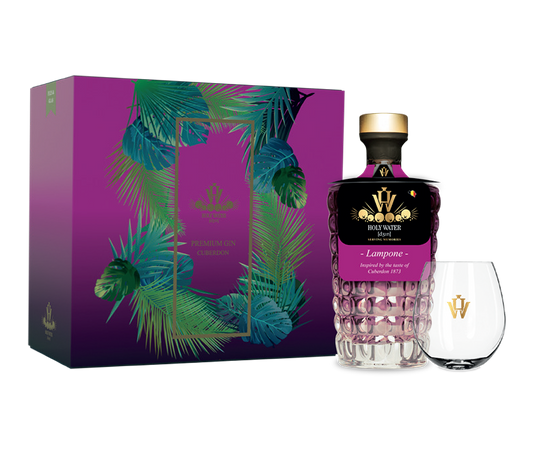
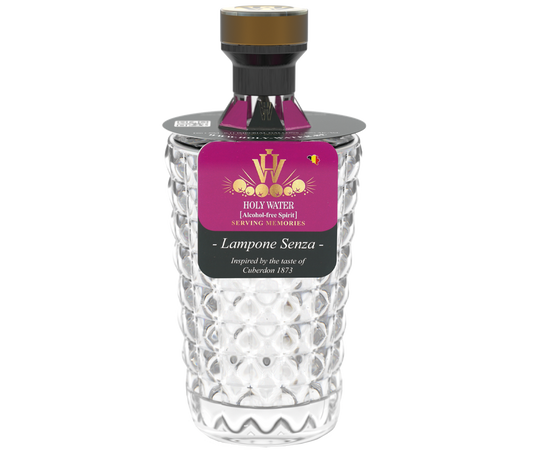
The Belgian cuberdon is also called neuzeke, tjoepke, tsoepke, Gentse neus or topneus. It is a legendary delicacy from Ghent, a purple candy with a typical cone shape that, with a little imagination, reminds one of a nose. Hence the name. The cuberdon has also been recognized as a regional product. The outside is hard and crispy and the filling is a creamy syrup based on raspberry and red fruits. Hence the purple color. Sink your teeth into that hard sugar crust, and immediately taste that delicious liquid filling. A real favorite of everyone who visits Ghent.
The recipe for the cuberdon was discovered rather by chance by pharmacist De Vynck in 1873. At the end of the 19th century, many medicines were taken in the form of syrup because syrup had a longer shelf life. When he examined a failed mixture after a few days, he noticed that the mixture had developed a hard crust, while the inside was still liquid. This observation gave him the idea to commercialize the failed mixture and make bonbons from it. The Eeklo artist Paul D'havé was commissioned at that time to make the molds for the cuberdons.
The cuberdons are made with gum arabic as a binding agent, a rare vegetable product. But when this product was no longer available in Europe during the Second World War, the cuberdons were forgotten after a while. From 1946, the gum was reintroduced in Belgium, which allowed the production of the cuberdon to be restarted by a few pastry chefs who remembered the recipe. The cavities of a neuzekes mould are filled with the liquid sugar mass, after which they are baked in the oven. A fresh cuberdon has a thin crust around the syrup, and this crust becomes a little thicker week after week. So it was a close call or the neuzekes simply no longer existed today. What a shame that would have been! Fortunately, everything turned out well, because the neuzekes, nobody can keep their hands off them!
The original "neuzekes" have the aroma of raspberry. Meanwhile, cuberdons exist in many colours and flavours, such as strawberry, cherry, lemon, banana, pineapple, coconut, bergamot, vanilla, cola, cinnamon, melon, orange, mandarin, peach, apple, pear, kiwi, peppermint, violets, blueberries, lavender and anise. Something for everyone.
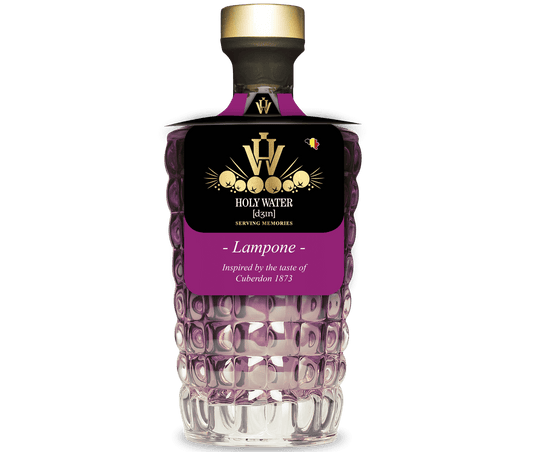
Nowadays, there are also various derivative products of cuberdons, such as jenever, ice cream, dessert sauce, spread and cookies, and also gin from the Belgian brand Holy Water. For a number of years, the taste of the classic cuberdon has been one of the tastes used to describe the taste characteristics of wine.

 Sold out